
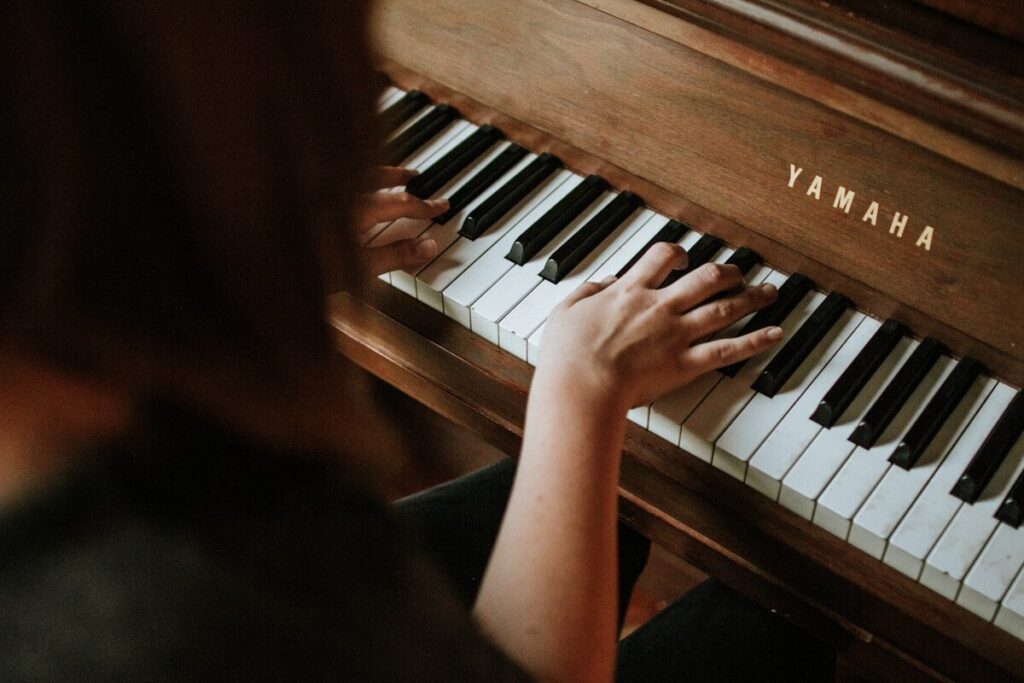
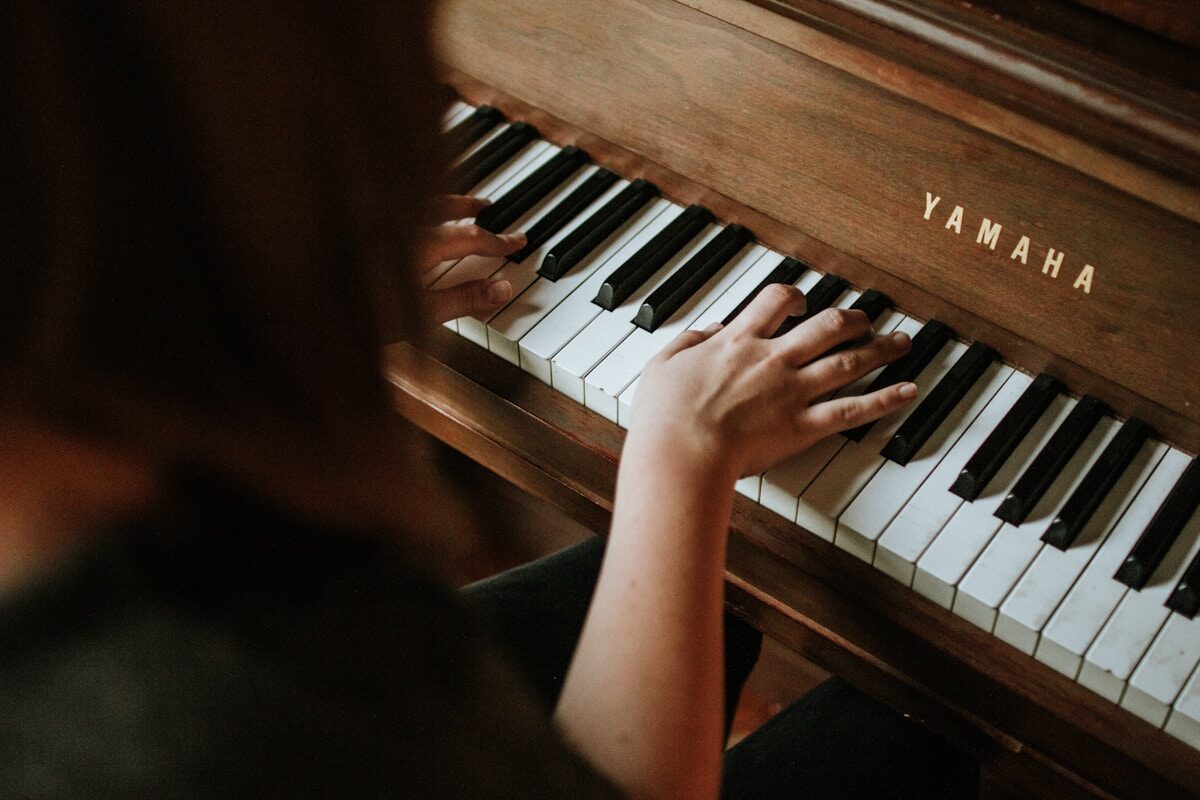
My hands are small. Like genuinely small. I can barely reach an octave – my pinky has to stretch uncomfortably to hit that eighth note while my thumb holds the first. Forget ninths. Tenths are a fantasy.
When I started learning piano at 23, I was convinced this would hold me back forever. Read all these forum posts about hand span being crucial. Watched pianists with massive hands flying across octaves like it was nothing. Felt doomed before I even began.
Two years later? My hand size hasn't changed. My playing has changed dramatically. Turns out small hands are way less limiting than small-hands-anxiety.
Here's what I've learned:
First, most music doesn't require huge reaches. Seriously. The vast majority of piano music – pop, most classical, jazz standards – sits comfortably within what small hands can do. Those massive Rachmaninoff stretches everyone worries about? That's a tiny fraction of the repertoire. And even Rachmaninoff can be adapted. This video from Josh Wright shows exactly how pros with smaller hands handle big stretches.
Second, rolling chords is your friend. Can't hit all the notes of a big chord simultaneously? Roll it. Play the bottom notes a split second before the top. It's not cheating – it's a legitimate technique that often sounds better anyway. More expressive. More musical.
Third, hand position matters more than hand size. I spent months with terrible technique – flat fingers, wrist too low, thumb tense. Fixing those issues made my effective reach increase without my hands growing at all. Proper curved fingers and relaxed wrist positioning can add the equivalent of a half-inch to your span. Hoffman Academy's guide on hand position is worth reading.
The real breakthrough came when I stopped seeing small hands as a limitation and started seeing them as… just hands. My hands. The only ones I've got. Complaining about them is like complaining about the weather – totally unproductive.
Practical stuff that helped:
When I encounter a passage I literally cannot reach, I redistribute notes between hands. Take some notes from the right hand part and give them to left, or vice versa. Composers wrote for their hands – you can adapt for yours.
I also got comfortable with leaving out notes. Heresy, I know. But in a big chord, if I can't reach the fifth, I drop it. The root and third carry the harmony anyway. Nobody in the audience will notice. Nobody.
For developing what reach I do have, the finger exercises I use daily include gentle stretching. Emphasis on gentle. You're not trying to force your hand to grow. You're trying to maximize flexibility within your natural range.
Some of the greatest pianists in history had small hands. Alicia de Larrocha's hands were famously tiny – didn't stop her from becoming one of the most celebrated pianists of the 20th century. She just found solutions.
So if you're sitting there staring at your hands wondering if you should even bother – bother. Your hands are fine. The beginner's journey isn't about hand size. It's about showing up, practicing smart, and not letting excuses win.
Your hands are enough. Trust me.